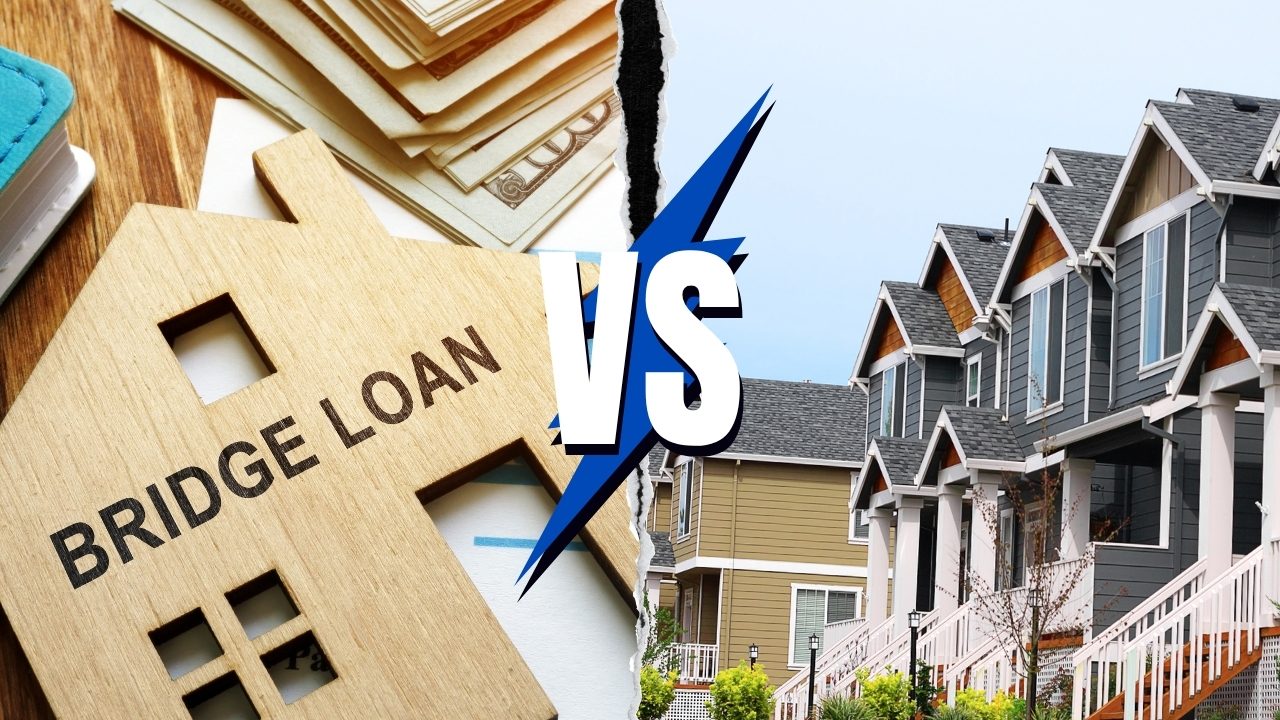
Bridge Loan vs Foreclosure Bailout Loan: Are They the Same Thing

TL;DR: Bridge loan vs. foreclosure bailout loan comes down to tool versus job. A bridge loan is a short-term loan that carries you to a sale or permanent financing. A foreclosure bailout loan is a bridge loan with one job: paying off a delinquent mortgage. That payoff stops the sale.
What Is the Difference Between a Bridge Loan and a Foreclosure Bailout Loan?
A bridge loan describes how the financing works. A foreclosure bailout loan describes why you take it. Gelt Financial is a family-owned direct lender. We’ve closed 10,000+ loans since 1989, and we fund both residential investment property and commercial property.
We wrote this for real estate investors and owners facing default or an auction date. Time, equity, and the property itself are at stake. Pick the right loan before your next deadline.
What Is a Bridge Loan?
A bridge loan is a short-term loan that covers a gap until a sale or permanent financing arrives. Real estate investors use bridge loans to quickly purchase a new property, fund a rehab, or carry an existing property. Bridge loans can be approved within a few days.
Bridge lenders look at the collateral first. Most bridge loans are secured loans, and the property’s equity backs them. Credit checks and income verification matter less than they do at a bank.
We structure bridge loans short-term, often with interest-only payments and a planned exit. Some bridge lenders set variable interest rates. Others set a fixed rate. Traditional loans generally offer lower interest rates for strong credit scores. Traditional loans require regular monthly payments of principal and interest.
The cons bridge loans carry are real. Expect higher interest rates, origination fees, and closing costs than a bank charges. Bridge loans usually last from 6 to 18 months. Typical bank loans have amortization schedules of 15 to 30 years.
What Is a Foreclosure Bailout Loan?
A foreclosure bailout loan is a short-term financing option that pays off a delinquent mortgage and stops a foreclosure sale. Default isn’t only missed payments. A maturity default, when a balloon comes due, starts the clock too.
Common triggers include:
- A notice of default
- A lis pendens filing
- An auction date
- A maturity default
Approval rests on the property and the equity. You don’t need good credit.
Is a Foreclosure Bailout Loan a Type of Bridge Loan?
In most cases, yes. The structure is a bridge: short-term with a planned exit. The purpose is a payoff under a deadline.
A standard bridge loan funds an opportunity. A bailout loan answers a problem. Both sit under the wider hard money category, which our guide on bridge loans vs hard money loans explains.
Ready to move fast? Call us at 561-221-0900 for a free quote.
How Do the Key Differences Compare Side by Side?
These key features and key differences separate the two loan types.
| Factor | Standard bridge loan | Foreclosure bailout loan |
|---|---|---|
| Main purpose | Fund a purchase, rehab, or gap | Pay off a delinquent mortgage |
| Trigger | An opportunity or timing gap | Default, notice, or auction date |
| Time pressure | Moderate | High |
| Loan term | Short-term | Short-term |
| Underwriting focus | Property value and exit | Property value, equity, and exit |
| Typical exit | Sale or refinance | Sale or refinance |
| Foreclosure involved | No | Yes |
When Do You Need a Foreclosure Bailout Loan Instead of a Standard Bridge Loan?
Your financial situation decides the right financing. Choose a bailout loan when:
- A notice of default arrived
- A court set an auction date
- A maturity default hit
- Your prior lender won’t extend
Choose a standard bridge loan when you want to quickly purchase a new property or cover a cash gap before a refinance.
How Do Cost and Equity Compare?

Both loans cost more than conventional loans. They close fast and carry higher risk for lenders, so rates run higher. That’s the honest answer. We disclose points and closing costs up front, with no hidden fees. See our guide to rates, points, and fees.
Other financial institutions are typically lower on price. In exchange for lower interest rates, a bank wants weeks of paperwork. Traditional loans and traditional mortgages move too slowly for a sale date.
We size either loan based on loan-to-value and the equity in your current property. Ask for more funds against thin equity, and your options shrink.
How Fast Can Each Loan Close?
A bailout loan runs against a sale date, so speed is the product. A clean payoff letter and clear equity help. Read how fast a foreclosure bailout loan can close in our closing timeline guide.
With both loans, you get quick access to immediate funds.
Have questions? Call us at 561-221-0900, and our team will help.
What Is the Exit Strategy for Each Loan?
You repay with a lump sum from a sale or from long-term financing. A DSCR loan works once rents stabilize. Plan your bridge loan exit strategies before you close.
Both are short-term solutions. The short-term nature of each means a missed exit can cause a new default at maturity. Long-term financing replaces them with a long-term loan, predictable payments, and a fixed rate. Monthly payments during the bridge depend on the structure.
Does Florida Foreclosure Law Change the Timing?

Florida foreclosures run through the courts. Under Florida Statutes Chapter 702, a court can set aside a foreclosure decree before the sale. The court can then dismiss the case once the owner pays costs.
This is education, not legal advice. Ask a foreclosure attorney your court questions.
How Do Consumer Bridge Loans Differ From Ours?
A consumer bridge loan lets a buyer carry an existing home and a new house at once. Homeowners tap home equity in the current home for a down payment, then take a new mortgage. Home equity loans and a standard home loan serve that buyer.
We don’t write those. We never lend on primary residences. For our borrowers, bridge and bailout loans are alternative financing options when banks say no.
How Do You Choose Between the Two?
Match the loan to the problem.
- A sale date or notice of default exists: a foreclosure bailout loan.
- No default, and you need speed on a purchase, rehab, or gap: a standard bridge loan.
- Not sure which one fits: call us. Many files start as one and end as the other.
Cornell Law School LII explains judicial and non-judicial foreclosure. HUD lists neutral alternatives.
Apply online at GeltFinancial.com or call us today to get started.
Key Takeaways
- A bridge loan is the tool. A foreclosure bailout loan is one job it does.
- Both are short-term loans that cost more than a bank loan.
- Approval rests on property and equity, not credit.
- Speed matters most against a sale date.
- Plan your exit before you close.
FAQ
Is a foreclosure bailout loan the same as a hard money loan?
Bailout loans usually come from hard money lenders. Hard money is the wider category. A bailout loan is a hard money loan used to stop a foreclosure.
Can a bridge loan stop a foreclosure?
Yes, when the proceeds pay off the delinquent mortgage before the sale. Timing and equity decide whether it works.
How long does a foreclosure bailout loan last?
It’s short-term. The lender sets the exact term, and we confirm it on your file.
Do you need good credit for a bridge loan or foreclosure bailout loan?
Approval rests mostly on the property and the equity. Credit matters less than at a bank.
What is the exit strategy for a foreclosure bailout loan?
You sell the property or refinance into permanent financing before the term ends.
Now you know the bridge loan vs. foreclosure bailout loan difference. Match the loan to your property’s problem and your exit.
Call us at 561-221-0900 today! Gelt Financial is ready to discuss your financing needs on commercial or investment real estate.