How to Qualify for a Foreclosure Bailout Loan

Knowing how to qualify for a foreclosure bailout loan is simpler than most owners expect, because approval rests on your property and equity, not your credit. At Gelt Financial, we are an honest, family-owned direct lender helping real estate investors and commercial owners since 1989. If you are facing foreclosure, we can act fast to pay off your existing mortgage and protect your equity.
Quick Answer: What it takes to qualify
- Enough property equity to support the new loan.
- An investment property or commercial property, not owner-occupied homes.
- A clear property value and payoff amount we can verify.
- Low or no credit is usually fine.
- Little to no income or employment paperwork.
- Any stage of the foreclosure process, even near the sale date.
What is a foreclosure bailout loan?
A foreclosure bailout loan is a short-term mortgage loan that pays off your delinquent mortgage and stops foreclosure proceedings. The new loan replaces your existing loan and buys you time to sell, refinance, or stabilize. For a full overview of how these loans work, see our main page on foreclosure bailout loans.
How do you qualify for a foreclosure bailout loan?

Qualifying comes down to your property, not your past. Most foreclosure bailout programs from private lenders look at five things first:
- Property equity and value.
- Property type and use.
- The payoff or loan balance owed.
- Your exit plan to repay the loan.
- The stage of your foreclosure.
A foreclosure bailout loan involves a quick review of these items, followed by a clear offer. Below, we break down each factor so you know exactly where you stand.
How much equity do you need to qualify?
Property equity is the single biggest factor in approval. Most lenders that offer foreclosure bailout loans require sufficient equity to keep the loan amount at roughly 50 to 70 percent of the property’s value. The more equity you hold, the larger the loan amount and the easier the approval.
Here is a simple example. Say your commercial real estate is worth 1 million dollars, and you owe 500,000 dollars. That is strong equity, so we can likely pay off the entire balance and still leave a safe cushion. Strong property equity also helps if you carry IRS tax liens or other debts against the title.
Does your credit score matter?
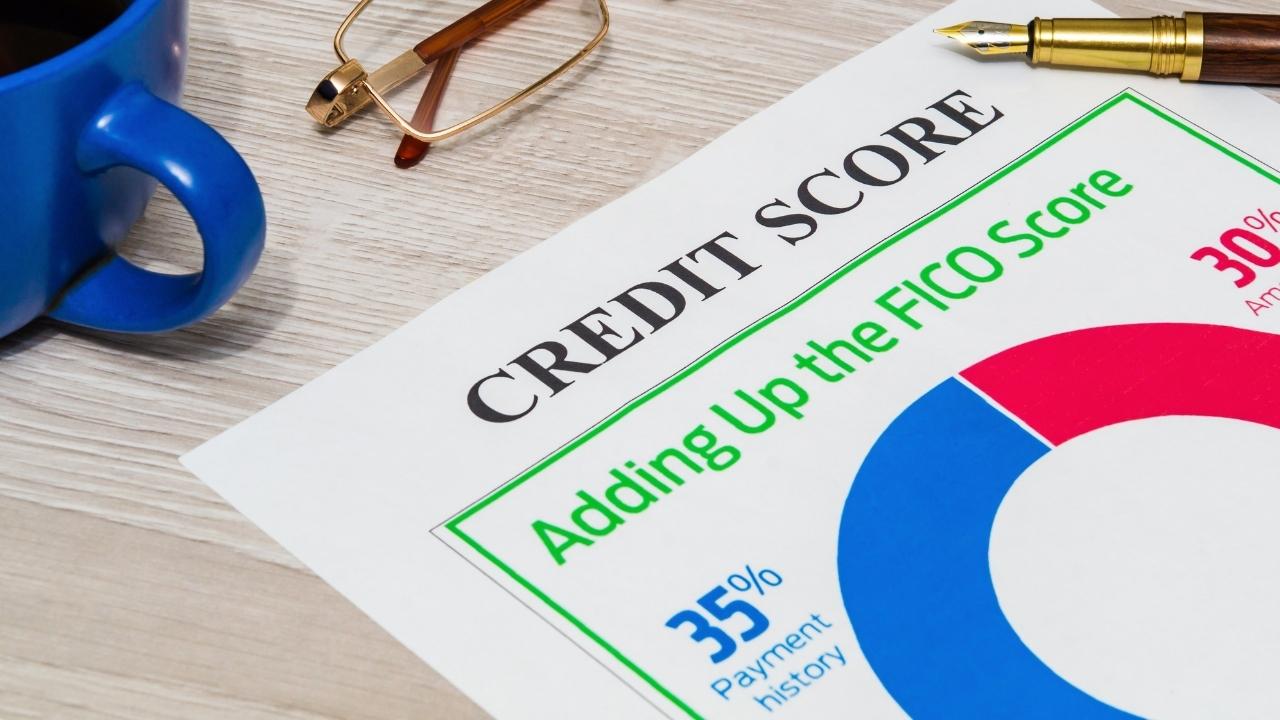
Not much. We focus on the property, so a low borrower’s credit score is rarely a dealbreaker. Banks, credit unions, and traditional lenders pull your credit report from the credit bureaus and often require minimum FICO scores. We do not.
Conventional loans, FHA loans, and FHA-insured loans lean heavily on your credit rating, income, and the interest rate they can offer. By contrast, hard money lenders like us weigh your property equity far more heavily than your credit score. A bailout loan can even lower monthly payments by replacing several monthly payments of arrears with one clean loan. That is why distressed homeowners with bruised credit, missed payments, or credit card debt can still get a foreclosure bailout loan when banks say no. You can learn more on our no-credit-check hard money lenders page.
What property types qualify?
We lend on income property, not your house. Eligible property types include:
- Single-family rentals, 1 to 4 unit residential investment property.
- Multifamily and apartment buildings.
- Commercial property, such as retail, office, and industrial.
- Mixed-use buildings.
- Some land and special-use assets.
Owner-occupied homes do not qualify, because primary residence lending falls under different consumer rules. If you own rental or commercial assets, you are in the right place. See our residential investment property loans for more information on 1- to 4-unit financing.
Do you need to prove income or employment?
Usually no. Most banks demand pay stubs, bank statements, tax returns, and full employment verification. Our loan program is asset-based, so we ask for far fewer loan documents. We care about the property’s value and your workable exit, not whether your income fits a rigid formula.
This light approach matters when you face financial hardship or financial difficulties. Job loss or a slow season should not cost you a property with strong equity.
Can you qualify at any stage of foreclosure?
Yes. We can help from the first missed payment through the days leading up to the auction. Acting early is cheaper and gives you more room, but late-stage cases still qualify.
Here is how the timeline usually runs. First, you fall behind on monthly mortgage payments, and the lender files a notice of default. In a judicial foreclosure process, the case moves through the court system, and if the lender wins, a sale date is set. A non-judicial foreclosure can move faster. If no one acts, the property is sold at foreclosure and can become real estate owned (REO) after the sale. At almost any point before the sale is final, a bailout loan can stop the process and bring your mortgage current.
Bank loan vs foreclosure bailout loan: what it takes to qualify
The contrast between bank approval and bailout approval is sharp. Banks judge you. We judge the property. The table below shows the difference.
| Requirement | Traditional Bank Loan | Foreclosure Bailout Loan |
|---|---|---|
| Credit score | Strong, usually 680 plus | Low or no credit often results in fines |
| Income proof | Full documentation | Little to none |
| Based on | Borrower profile | Property equity and value |
| Already in default | Disqualifies you | No problem |
| Speed to approve | Weeks to months | Often days |
| Property condition | Must be clean | Distressed is fine |
A bank or current lender wants a clean file and a high credit score. We want a property worth saving and a clear way to repay. That is the whole reason foreclosure bailout loans work for owners that conventional lending leaves behind.
What documents do you need to apply?
The paperwork is light. To start, gather a few simple loan documents:
- Basic property details and address.
- Your existing mortgage or payoff statement from the current lender.
- Any foreclosure notices or court papers.
- A photo ID.
- A short note on your exit plan, such as sell or refinance.
That is often enough for us to size your loan and quote your loan terms. We do have a minimum loan amount, so very small balances may not fit, and that minimum loan keeps the process efficient for everyone. Not sure if you have enough to start? Call us, and we will tell you in minutes.
How to improve your chances of approval

A few smart moves make approval faster and smoother:
- Act quickly, before the sale date narrows your options.
- Get your payoff amount in writing from your mortgage company.
- Document your property value with recent comps or income records.
- Have a clear exit strategy, like a refinance or sale.
- Work with a direct lender, not a chain of mortgage brokers.
Some owners also try a loan modification or speak with a HUD-approved housing counselor first, which can help in the right situation. But every financial situation is different, and these paths are often too slow once a sale date is set. Speed is everything when a foreclosure clock is running. The sooner you reach reputable lenders like us, an established foreclosure bailout lender, the more we can do. Reach out today for a free, no-pressure review.
Key Takeaways
- Property equity, not credit, determines qualification for a foreclosure bailout loan.
- We lend on investment property and commercial real estate, never owner-occupied homes.
- Low credit, missed payments, and financial hardship rarely stop approval.
- Documentation is light, with little to no proof of income or employment.
- You can qualify at almost any stage, up to the foreclosure sale.
- Gelt Financial has been honest, family-owned, and lending since 1989.
Foreclosure Bailout Loan Qualification FAQs
What disqualifies you from a foreclosure bailout loan?
The most common dealbreaker is too little property equity, since the loan is secured by the asset. An owner-occupied primary home will also not qualify, because we lend only on investment and commercial properties. A property with no clear value or exit plan is harder to approve.
Can you qualify with bad credit or no credit?
Yes. As private lenders, we look at property equity first, not your credit score. Bad credit, no credit, or recent missed payments are usually fine, and many of our loans need no minimum credit at all.
How much equity do you need to qualify?
Plan to keep the loan amount between 50 and 70 percent of the property’s value. The more equity you have, the higher the loan amount and the smoother the approval process. We review the value and your loan balance to set terms.
How fast can you get approved?
Often in days. As a direct lender, we are not slowed by committees or the layers that traditional lenders add. When a sale date is near, that speed can be the difference between keeping and losing the property.
Do foreclosure bailout loans require an appraisal?
Sometimes, but not always. We confirm property value in the fastest, most reliable way, which may be an appraisal, a broker’s opinion, or strong income records. The goal is speed without guessing on value.
Find out if you qualify today
We have helped thousands of property owners avoid foreclosure and protect their equity since 1989. Whether you need to pay off delinquent mortgage payments, cover mortgage arrears, or refinance into a new mortgage with a new lender, we can move fast. Our bridge loans and hard money loans are designed for exactly these foreclosure situations.
A short-term loan can give you a clear repayment plan and a real path forward, sometimes with interest-only payments, a fair interest rate, and a sensible repayment period. The fastest way to learn how to qualify for a foreclosure bailout loan is to simply call us.
Call us at 561-221-0900 today! Gelt Financial is ready to discuss your financing needs for commercial or investment real estate. Apply now to get started.