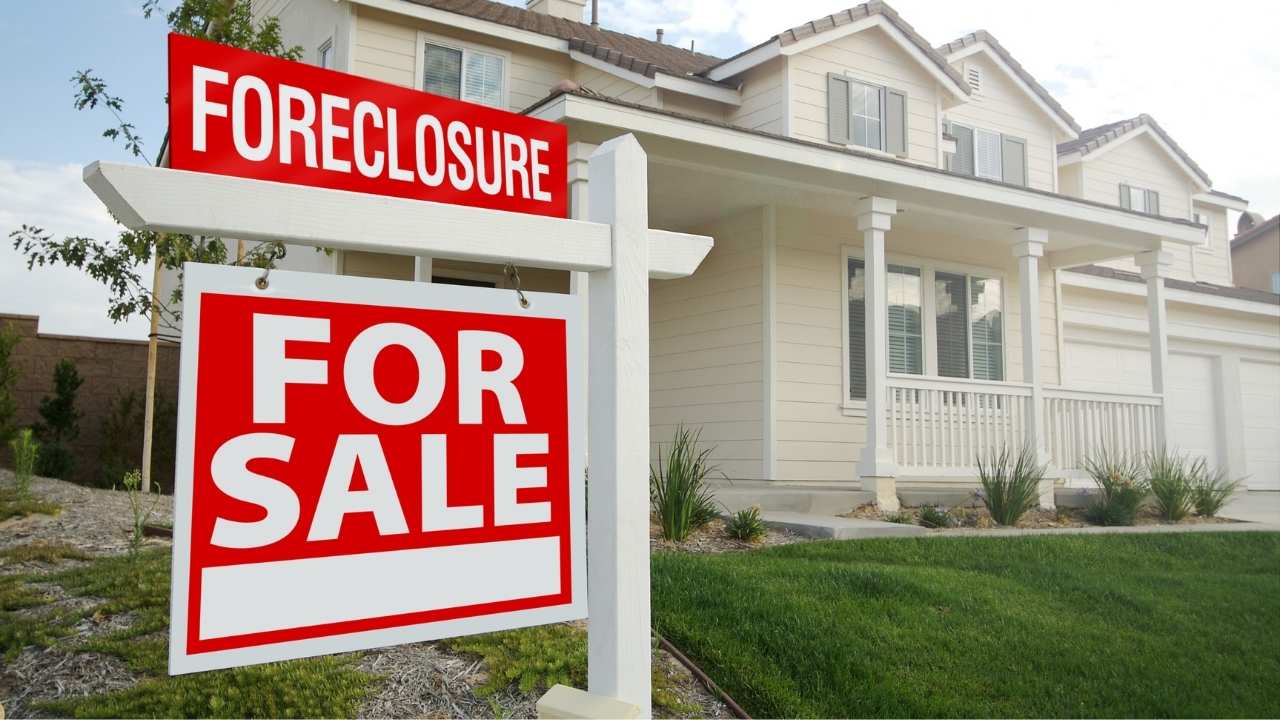
Judicial vs. Non-Judicial Foreclosure: What Investors Should Know

Quick Answer
Judicial vs. non-judicial foreclosure comes down to one thing: does the process go through the court system or not? Judicial foreclosure requires a lawsuit and a state court judgment as part of the court process, while non-judicial foreclosure runs under a power of sale clause and avoids the court process entirely.
For real estate investors and property owners facing foreclosure, that difference shapes the timeline, how much time there is to respond, defend, negotiate, or line up a foreclosure bailout loan, and what risks to assess before a sale. This comparison covers the key differences in how each process works, which states use each one, timelines, redemption rights, deficiency judgments, and how those rules affect investing decisions. Investors need to understand these key differences before bidding or lending. Investors must adjust pricing based on foreclosure type.
What Is the Difference Between Judicial and Non-Judicial Foreclosure?
A judicial foreclosure process starts when a lender files a foreclosure complaint in state court after a borrower defaults on mortgage payments, and the borrower is formally served notice and can respond in court. A judge reviews the case and issues a court judgment before the property can be sold.
The non-judicial foreclosure process skips court entirely. It relies on a power of sale clause built into the deed of trust, the security instrument tied to the mortgage note. A foreclosure trustee handles the sale instead of a judge.
What Is Judicial Foreclosure?
The judicial process is slower by design. The lender sends a notice of default, then a foreclosure attorney files suit in state court. That filing starts a formal court action, and a mortgage usually requires it unless the governing document allows otherwise. The court oversees every step, and backlogs can stretch the timeline well past a year in busy counties.
What Is Non-Judicial Foreclosure?
The non-judicial procedure moves faster because it involves no court. The trustee’s sale follows a notice of default and a notice of sale, both of which serve notice to the borrower under state law. Many lenders prefer this route when available because it saves time and legal costs.
Which States Use Judicial Foreclosure?
Judicial foreclosure states include Florida, New York, New Jersey, Illinois, Ohio, Pennsylvania, North Dakota, South Dakota, Rhode Island, South Carolina, and West Virginia. Florida courts handle foreclosure through circuit court, and the process can run long depending on the county’s caseload.
Which States Use Non-Judicial Foreclosure?
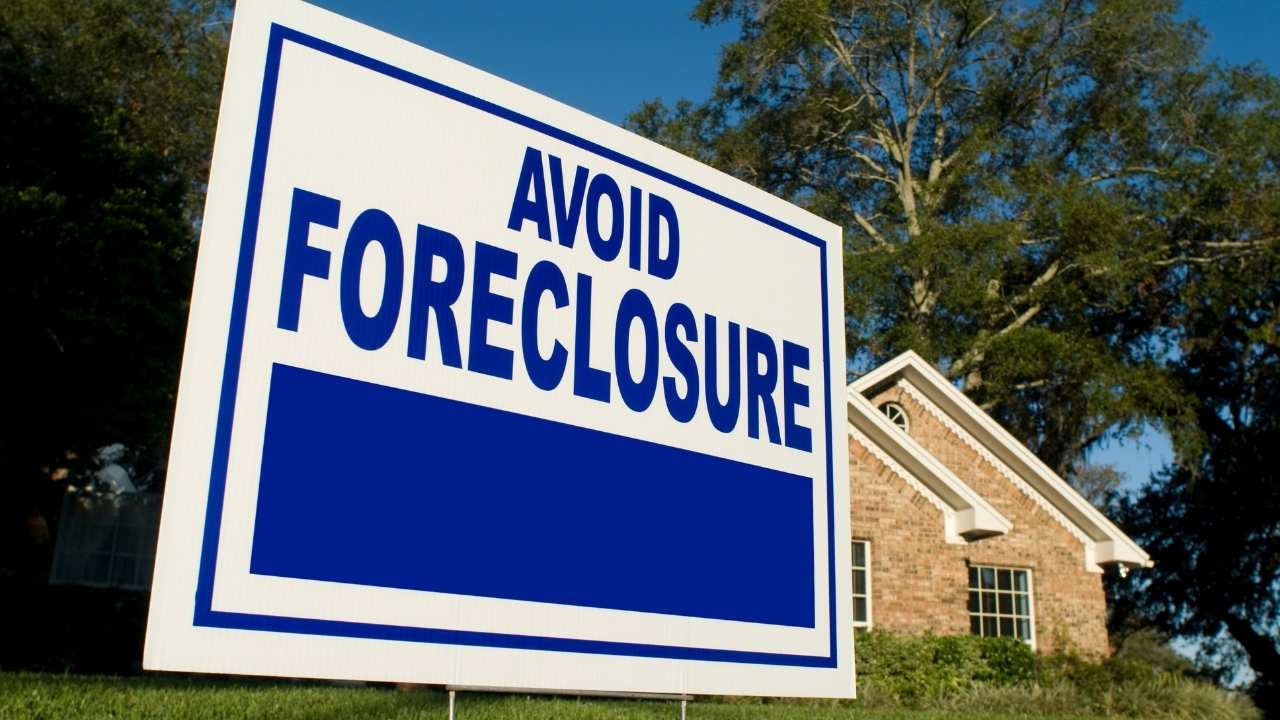
Non-judicial foreclosure states commonly include California, Texas, Georgia, Arizona, and Nevada. These non-judicial states allow a foreclosure sale to proceed through the trustee without ever reaching state court, as long as the deed of trust includes a power of sale clause.
Some Non-Judicial States Key Facts
- Many non-judicial states restrict or prohibit deficiency judgments.
- Properties in non-judicial sales may be sold subject to senior liens.
- Non-judicial foreclosure typically completes within 60 to 120 days.
- Insufficient due diligence in non-judicial foreclosures can lead to title risks.
How Long Does Each Foreclosure Process Take?
A judicial foreclosure can take anywhere from six months to more than a year, depending on court backlogs and whether the borrower contests the case. A nonjudicial foreclosure often wraps up in two to four months from notice of default to the sale date. Some states set a statutory redemption period of up to one year after the sale, giving the former owner a window to reclaim the property.
How Does This Affect Real Estate Investors?
For Investors Buying at a Public Auction
Judicial states give more notice before a sale date, which often means more competition at the public auction. Non-judicial states move faster, so investors have less time for a title search before bidding. Always check for other lien holders before you bid.
A clouded title can turn a good deal into an expensive lesson.
For Property Owners Facing Foreclosure
Judicial foreclosure cases give property owners more time during foreclosure proceedings to explore loss mitigation and avoid foreclosure altogether. Non-judicial foreclosure cases move faster, so owners need to act the moment they receive borrower notice. Foreclosure laws exist in part to protect homeowners and give them a fair chance to catch up before losing the property to a new owner.
Can a Foreclosure Bailout Loan Stop Either Type of Foreclosure?
Yes. A foreclosure bailout loan can pause both the judicial process and the nonjudicial procedure, as long as it closes before the sale date. We fund these loans based on the property’s equity, not the borrower’s credit score. That is what asset-based lending looks like at Gelt Financial. It is also why speed matters more once you know which process applies to your state.
Ready to move before your sale date? Call us at 561-221-0900 for a free quote.
Judicial vs. Non-Judicial Foreclosure at a Glance
| Factor | Judicial Foreclosure | Non-Judicial Foreclosure |
|---|---|---|
| Court involvement | Full court oversight, judge issues ruling | No court system involved |
| Typical timeline | Six months to over a year | Two to four months |
| Who starts it | Foreclosure attorney files complaint | Trustee handles notice and sale |
| Redemption period | Often available, up to one year | Rare or none in most states |
| Common states | Florida, New York, Ohio, New Jersey | California, Texas, Georgia, Nevada |
What Is the Right of Redemption, and Does It Apply to You?
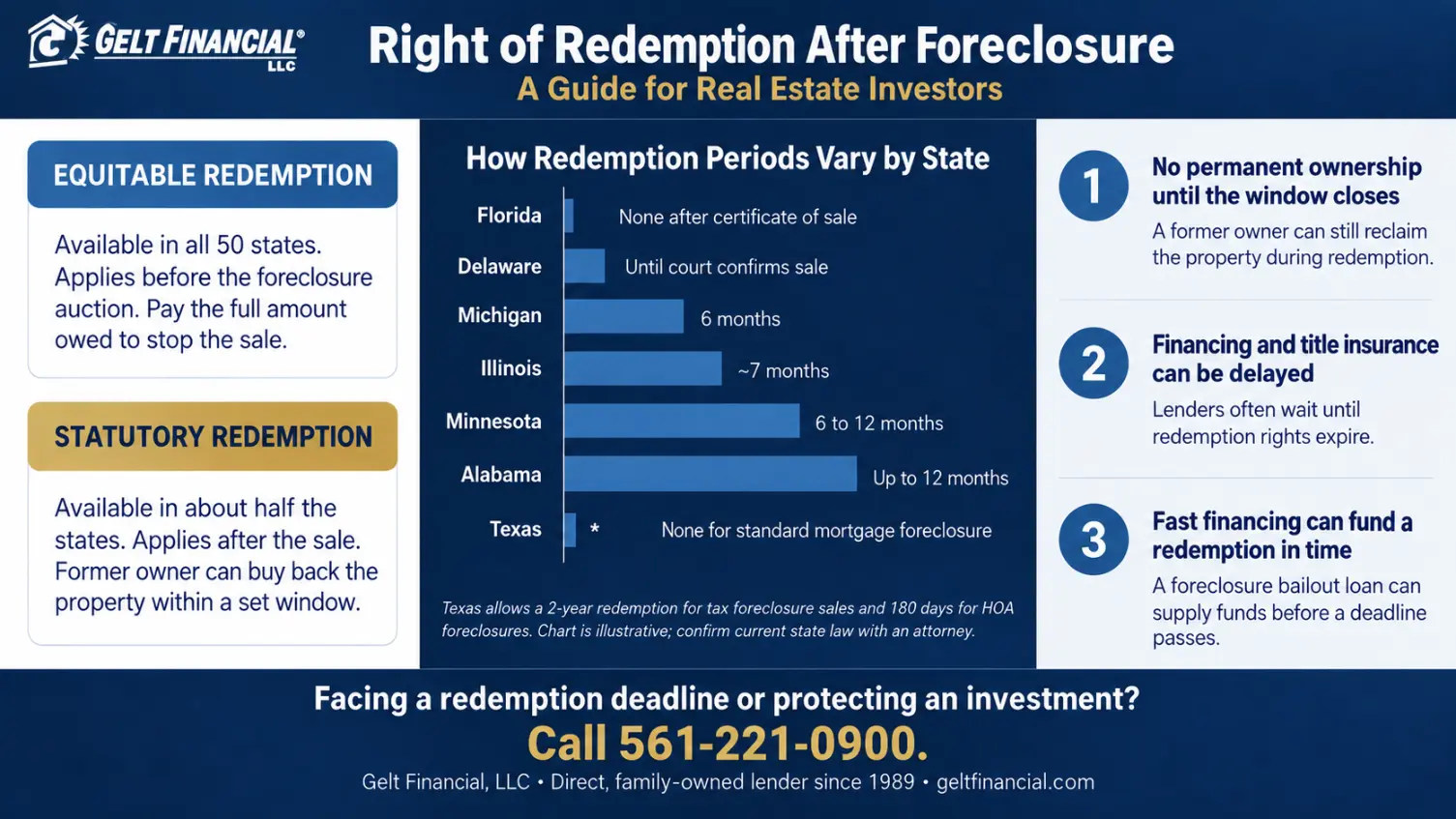
A redemption period lets a former owner reclaim the property after the sale by paying off the loan, plus extra money for interest and costs. Not every state offers one, and judicial foreclosure states are more likely to include it than nonjudicial states.
What Is a Deficiency Judgment?
A deficiency judgment lets a lender pursue the borrower for the difference if the foreclosure sale brings in less than what is owed. Whether a lender can seek one depends entirely on state law, and laws change often enough that you should check before assuming anything.
Have questions about your specific situation? Our team is available 24 hours a day.
How Fast Can You Close on a Foreclosure Bailout Loan?
Timing depends on your state’s foreclosure process and how close you are to the sale date. Read our breakdown of foreclosure bailout loan closing timelines for specifics.
How Do You Qualify for a Foreclosure Bailout Loan?

We look at property equity first. See our foreclosure bailout loan qualification guide for the full picture.
Key Takeaways
- Judicial foreclosure goes through state court. Nonjudicial foreclosure does not.
- The process applies based on where the property sits, not where the lender or borrower lives.
- Nonjudicial foreclosure sales typically move faster than judicial ones.
- A redemption period may give former owners time to reclaim the property after sale.
- A foreclosure bailout loan can stop either process before the sale date closes it out.
Frequently Asked Questions
What is the difference between judicial and non-judicial foreclosure?
Judicial foreclosure is a court process that goes through state court and ends with a judge’s ruling. Non-judicial foreclosure follows a power of sale clause in the deed of trust and skips court entirely, though borrower protections can still apply under state rules such as California law.
Is Florida a judicial or non-judicial foreclosure state?
Florida is a judicial foreclosure state. Every case goes through circuit court before a sale date is set.
How long does judicial foreclosure take?
Judicial foreclosure typically takes six months to more than a year, depending on the county’s court backlog and procedures in different counties.
Can a loan stop a non-judicial foreclosure?
Yes, if it closes before the trustee’s sale date. A foreclosure bailout loan can pay off the defaulted mortgage note and stop the sale.
What is a deficiency judgment?
It is a court judgment that allows a lender to collect the gap between what a foreclosure sale brings in and what the borrower still owes, where state law permits it.
We have closed over 10,000 loans since 1989 for property owners who needed fast, honest financing with no hidden fees. Call us at 561-221-0900 today! Gelt Financial is ready to discuss your commercial or investment real estate financing needs.