Florida Foreclosure Bailout Loans: Rules, Timeline, and Options
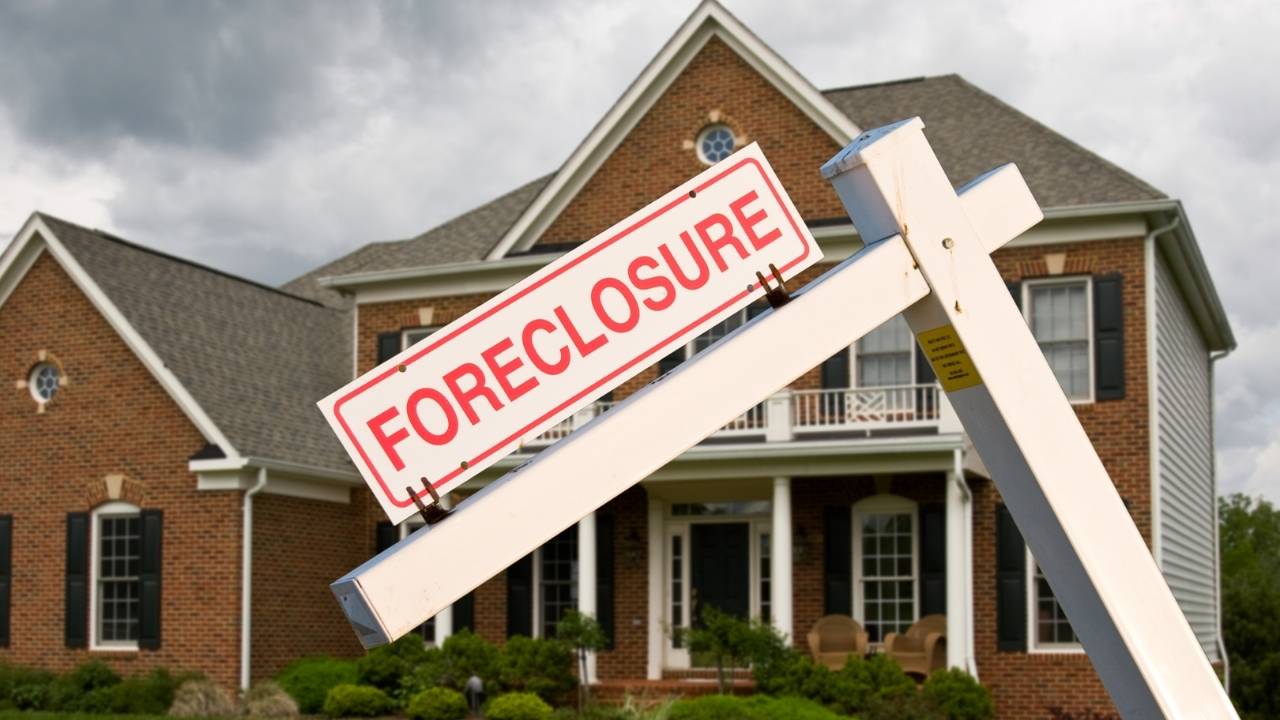
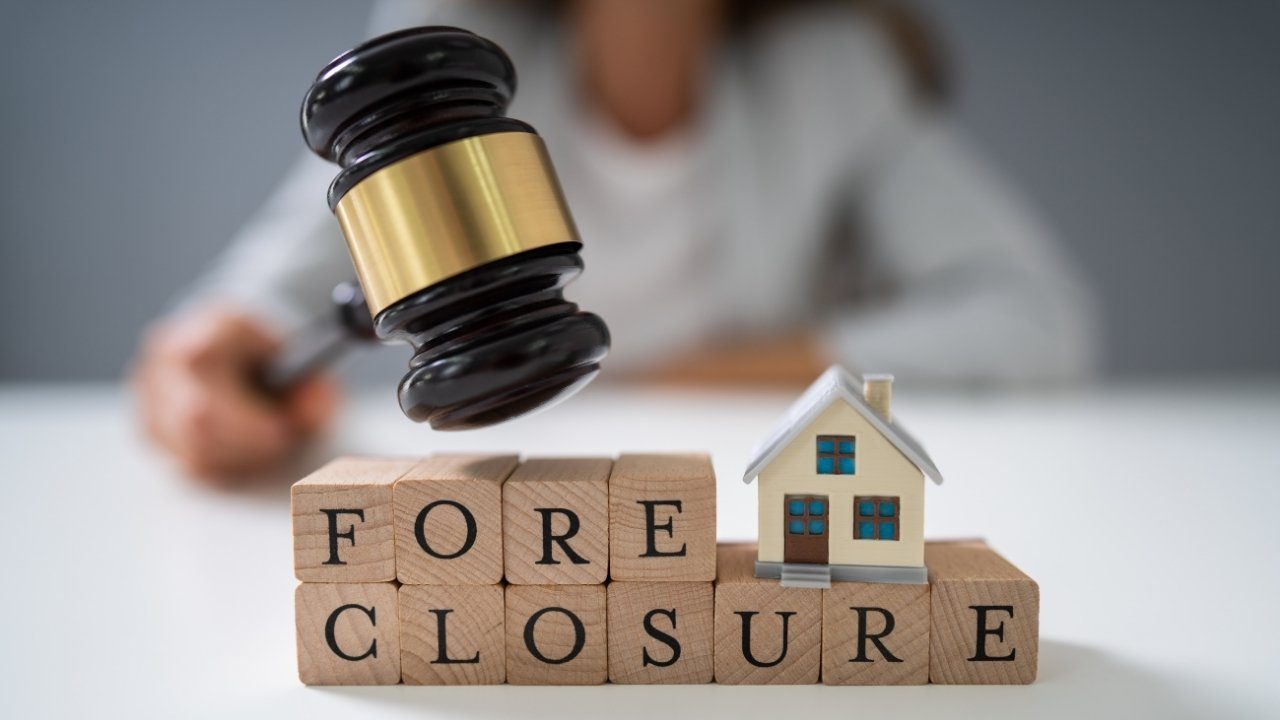
TL;DR: Florida foreclosure bailout loans, rules, timeline, and options all come down to one fact: Florida uses a judicial foreclosure process that moves through the court system, often taking six months to several years. A foreclosure bailout loan can stop foreclosure and halt foreclosure proceedings fast, while a traditional bank loan rarely approves a borrower already behind. Working with reputable lenders who already fund loans on commercial and investment properties, rather than a generic hard-money loan broker, makes a difference.
Know the timeline, know your options, and act before the foreclosure sale date arrives.
If you are facing foreclosure on investment or commercial property in Florida, you need a clear picture of Florida foreclosure bailout loans, the court timeline working against you, and the options still on the table. Florida is a judicial foreclosure state, which means every case runs through the court system rather than a quick out-of-court sale. We will walk through how the Florida foreclosure process works, what protections do and do not apply to investors and commercial property owners, and how a foreclosure bailout loan fits into the picture.
What Is a Foreclosure Bailout Loan?
A foreclosure bailout loan is a short-term, equity-based loan that pays off your existing mortgage and can halt foreclosure proceedings before the sale date. Private lenders and hard money lenders fund loans based on the property itself, not on a lengthy credit and income review.
- Bailout loans require substantial property equity to qualify, often 30%-50% or more.
- Any mortgage lender in Florida must be licensed under the Office of Financial Regulation. This license isn’t required for commercial and investment properties.
- These loans can close in as little as 3 to 14 days.
Gelt Financial is headquartered in Boca Raton and has funded these loans for real estate investors and commercial property owners since 1989. Our foreclosure bailout loan program covers investment and commercial real estate across Florida and 37 other states, never owner-occupied primary residences. You can read the full breakdown of how to qualify for a foreclosure bailout loan on our dedicated page.
How Does the Foreclosure Process Work in Florida?
Florida is a judicial foreclosure state, so a lender cannot take the property without going through the courts. The lender files a foreclosure lawsuit in circuit court, and the case moves through the court system from there.
Here is the general order under Florida foreclosure laws:
- A typical Florida foreclosure takes at least 180 days to complete.
- Missed mortgage payments start the clock, and once enough overdue mortgage payments build up, the lender sends a notice of default or breach letter
- The lender files a foreclosure notice and lawsuit in the county circuit court where the property sits
- You generally have 20 days to respond once served
- If you do not respond, the lender can request a default judgment
- If you contest the case, it proceeds through litigation, often including a summary judgment hearing where the lender asks the court to rule without a full trial
- The court enters a final judgment of foreclosure, which sets the foreclosure sale date
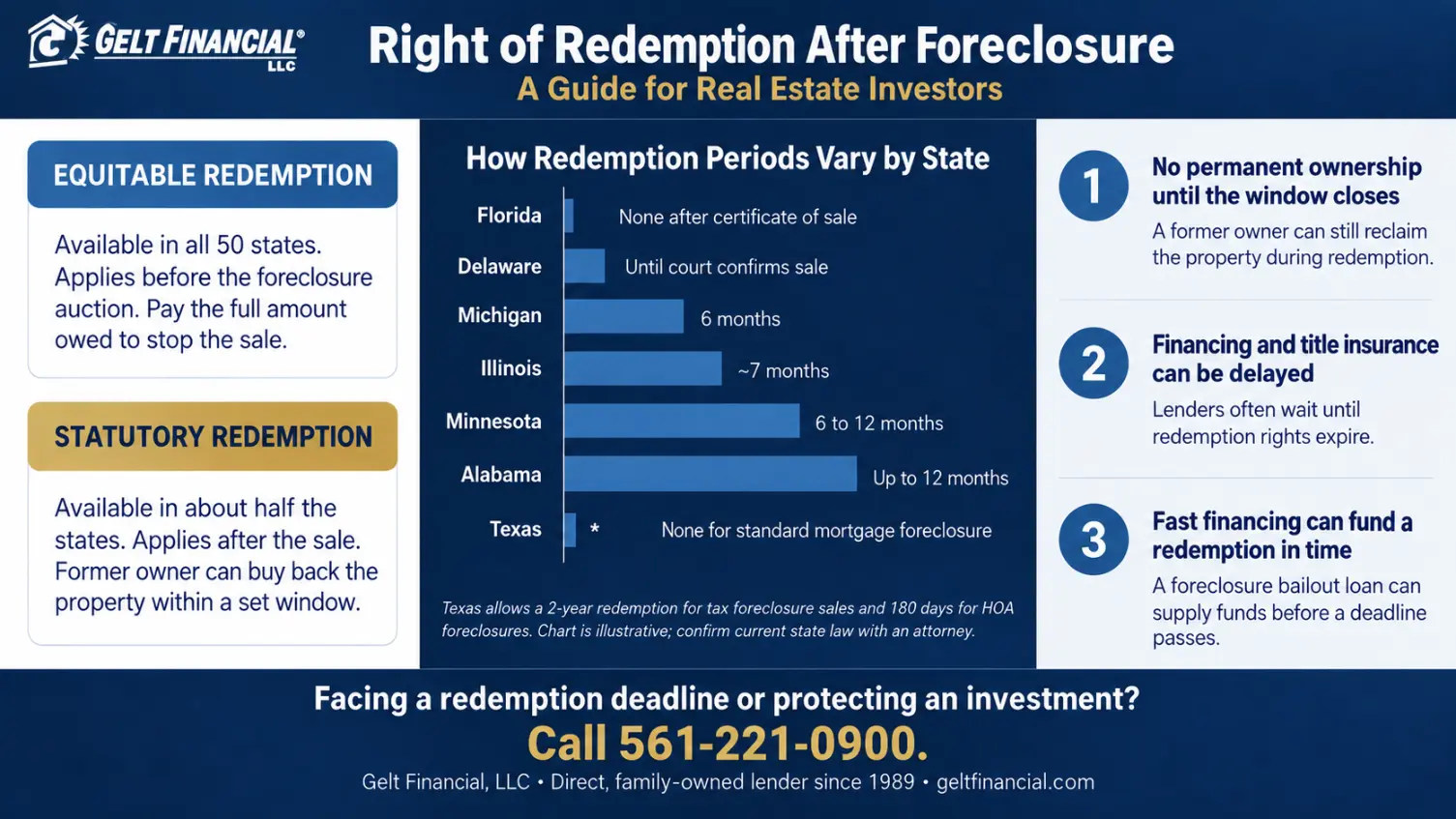
- Borrowers have a right of redemption in Florida until the foreclosure sale.
Chapter 702 of the Florida Statutes governs this process, including notice requirements and sale procedures. Nolo’s overview of Florida foreclosure laws breaks down the statute citations in more detail if you want to read the source material directly.
How Long Does the Florida Foreclosure Process Take?
The Florida foreclosure timeline depends heavily on whether the case is contested. An uncontested case, where the borrower does not respond or fight the lawsuit, often wraps up in six to eight months. A contested case, where the borrower raises defenses, and the court calendar is full, can stretch to one to three years or longer.
| Stage | Typical Timeframe |
|---|---|
| Missed payments lead to a notice of default | 3 to 6 months |
| Lawsuit filed to your response deadline | 20 days to respond once served |
| Litigation and summary judgment hearing, if contested | Several months to over a year |
| Final judgment on the foreclosure sale | 20 to 35 days |
| Total, uncontested | 6 to 8 months |
| Total, contested | 1 to 3 years or longer |
This is exactly why timing matters so much. The longer a foreclosure case sits in the court system, the more interest, legal costs, and uncertainty pile up, and Florida’s circuit courts handle a steady volume of foreclosure cases every year, which affects how quickly any single case moves.
Do Investment and Commercial Property Owners Get the Same Protections as Homeowners in Florida?
This is the part most general foreclosure articles skip, and it matters a great deal if you own investment or commercial property rather than a primary residence.
Many of the consumer protections homeowners facing foreclosure read about are tied to owner-occupied homes, not investment or commercial property:
- Federal rules requiring servicers to wait roughly 120 days before starting foreclosure, and to offer a loss mitigation review, generally apply to a borrower’s primary residence
- Court-ordered mediation programs in some Florida counties have historically focused on homestead properties
- A loan modification through your existing lender is far more likely to be offered to an owner-occupant than to a real estate investor or commercial property owner
The judicial court mechanics under Florida law, the lawsuit, the 20-day response window, the final judgment, and the sale itself, apply broadly regardless of property type, since those come from Chapter 702 and Florida’s court system rather than federal consumer protections. This is general information, not legal advice, and a Florida attorney can tell you exactly where your specific case stands.
In practice, this often means that real estate investors and commercial property owners have fewer built-in delays than homeowners, which makes acting early even more important.
What Happens at a Florida Foreclosure Auction?

Once a final judgment of foreclosure is entered, the court sets a foreclosure sale date, generally 20 to 35 days later. Florida foreclosure sales are conducted as public auctions, and most major counties, including Palm Beach, Miami-Dade, and Broward, run them online through the local Clerk of the Circuit Court’s own auction system. You can see how Gelt’s home county handles this directly through the Palm Beach County Clerk’s foreclosure page.
If a third party outbids the lender, the sale proceeds pay down the debt. If no outside bidder shows up, the lender often ends up with the property as real estate owned (REO), which becomes the lender’s asset to resell.
Unlike some states, Florida does not offer a redemption period after the sale. Your right to redeem the property by paying off the full outstanding debt generally ends once the certificate of sale is filed, not after.
What Is a Deficiency Judgment in Florida?
If the property sells at auction for less than what you owe, Florida law allows the lender to pursue a deficiency judgment for the remaining loan balance. The lender generally has one year after the sale to file for it, and the deficiency amount is based on the difference between what you owed and the property’s fair market value at the time of sale, not necessarily the winning bid.
This is another reason a foreclosure bailout loan or a sale before the auction date often yields a better financial outcome than letting the case run its full course.
What Are Your Options Before a Florida Foreclosure Sale?

You generally have a few real paths to avoid foreclosure before the sale date arrives, and each one works better the earlier you start, especially if the missed payments stem from a temporary financial hardship rather than a permanent change in income.
Options worth considering:
- A loan modification through your existing lender, though this is far less common for investment and commercial property than for owner-occupied homes
- Repayment plans, where you pay extra each month until the delinquent mortgage is current again, which depends on having steady rental income
- Listing the property with a local real estate agent for a fast sale, if there is enough equity and enough time before the sale date
- A foreclosure bailout loan, which can halt foreclosure proceedings in days rather than waiting on the court system. See how fast a foreclosure bailout loan can close for the typical timeline
Traditional bank loans and mortgage products rarely approve borrowers who are already behind on mortgage payments, and traditional loans in general depend on the clean payment history that foreclosure puts at risk. Traditional banks generally want a clean credit history and a stable financial situation. This gap is why private lending exists in the first place.
It is also worth knowing the difference between a reputable lender and a predatory lender in this space. A reputable, honest, private loan provider discloses every fee upfront and never pressures you into high-interest loans you cannot reasonably support. Predatory lenders often target borrowers already in financial distress with confusing terms and pressure tactics instead. Always verify any lender, whether a direct lender or a mortgage broker, before signing anything.
How Does a Foreclosure Bailout Loan Work?
Unlike traditional banks, a private lender funding a foreclosure bailout loan primarily looks at the property’s loan-to-value ratio rather than conducting a deep credit review. This is part of why approval can move so quickly compared to a traditional mortgage loan.
What most lenders look at:
- The loan-to-value ratio and the loan amount needed to pay off the existing mortgage in full
- Rental income, if the property is already leased, which can support an exit into permanent financing later through a tool like the debt service coverage ratio
- Basic documentation, such as bank statements and a current payoff statement, rather than the extensive paperwork a conventional loan requires
- Bad credit or a thin credit history rarely disqualifies a borrower, since the property carries most of the underwriting weight
Loan terms, interest rates, and closing costs vary by lender, so ask for everything in writing before you commit. A clear loan approval timeline up front tells you whether a lender can close before your foreclosure sale date.
Why Work With a Florida-Based Foreclosure Bailout Lender?

We are headquartered in Boca Raton, family-owned, and have funded loans since 1989 with no hidden fees at any step. You can see our closed deals across Florida and nationwide. Working with a lender who understands Florida’s court system and county auction practices firsthand, rather than treating your file like every other state, can make a real difference in your financial future.
Ready to talk through your timeline? Apply now or call us at 561-221-0900 for straightforward financial relief options.
Key Takeaways
- Florida is a judicial foreclosure state, so every case goes through the court system
- Uncontested cases often take 6 to 8 months; contested cases can take 1 to 3 years or longer
- Investment and commercial property owners generally have fewer built-in delay protections than homeowners
- Florida does not offer a post-sale redemption period, and deficiency judgments are allowed
- A foreclosure bailout loan can halt foreclosure proceedings faster than waiting on the court system
Frequently Asked Questions
Is Florida a judicial foreclosure state?
Yes. Florida requires lenders to file a foreclosure lawsuit and obtain a court judgment before a property can be sold, governed primarily by Chapter 702 of the Florida Statutes.
How long does foreclosure take in Florida?
An uncontested Florida foreclosure typically takes 6 to 8 months. A contested case can take 1 to 3 years or longer, depending on the county’s court calendar.
Do investment property owners get the same foreclosure protections as homeowners in Florida?
Not entirely. Many federal delay protections and loan modification programs are aimed at owner-occupied primary residences, while the court process itself under Chapter 702 applies broadly regardless of property type.
What is a deficiency judgment in Florida?
If a foreclosure sale does not cover the full debt, the lender can request a deficiency judgment for the remaining balance within one year of the sale.
How fast can a foreclosure bailout loan close in Florida?
Many private lenders can close within days once the property has sufficient equity and the basic documentation is ready, well ahead of a court-ordered foreclosure sale date.
Knowing how Florida foreclosure bailout loans, the court timeline, and your real options fit together gives you the best chance to act before the sale date, not after.
Call us at 561-221-0900 today! Gelt Financial is ready to discuss your financing needs for commercial or investment real estate.